 Simone
万圣节的习俗英文版 用英文介绍万圣节的风俗习惯
的有关信息介绍如下:
Halloween Customs and Traditions
Halloween, celebrated annually on October 31, is a holiday with deep historical roots and vibrant modern traditions. Originating from ancient Celtic festivals like Samhain, it has evolved into a global celebration marked by unique customs. Here are the key traditions associated with Halloween:
Costume WearingOne of the most iconic Halloween customs is dressing up in costumes. Historically, people wore masks and costumes to disguise themselves from spirits believed to roam the earth during Samhain. Today, costumes range from spooky creatures like ghosts and witches to pop-culture icons, allowing individuals to express creativity and embrace playful personas. Children often dress up for trick-or-treating, while adults may attend themed parties.
Trick-or-TreatingThis beloved activity involves children going door-to-door in their neighborhoods, shouting "Trick or treat!" in exchange for candy. The practice likely originated from the medieval European tradition of "souling," where the poor would beg for food in return for prayers for the dead. By the 20th century, it transformed into a community-centered event where families distribute treats to costumed children, fostering a sense of festive camaraderie.
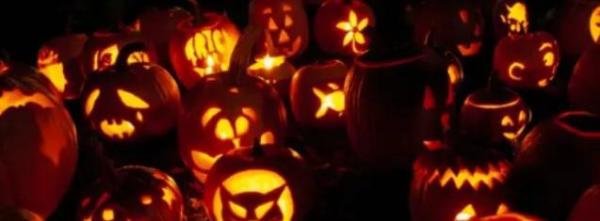
Jack-o'-LanternsCarving pumpkins into lanterns is a hallmark of Halloween decor. The tradition stems from an Irish myth about "Stingy Jack," a man who tricked the Devil and was condemned to wander with only a carved turnip and a coal to light his way. Irish immigrants brought this custom to America, where pumpkins—more abundant and easier to carve—replaced turnips. Today, intricately designed jack-o'-lanterns adorn porches and windows, often with spooky or humorous faces.
Haunted Houses and AttractionsHaunted houses, corn mazes, and spooky trails are popular Halloween entertainment. These attractions, often organized by communities or theme parks, feature eerie decorations, actors in costumes, and special effects to create a thrilling experience. The goal is to evoke fear and excitement, tapping into the holiday’s association with the supernatural.
Decorating with Spooky ThemesHomes and public spaces are transformed with Halloween-themed decorations, including cobwebs, skeletons, bats, and tombstones. Orange and black—symbolizing the harvest and death, respectively—dominate the color scheme. Some enthusiasts go all-out, creating elaborate displays that attract visitors and contribute to the festive atmosphere.
Bobbing for ApplesThis traditional game involves participants trying to grab apples floating in water using only their mouths. Its origins trace back to Roman harvest festivals and the Celtic celebration of Samhain, where apples were associated with fertility and the afterlife. Though less common today, it remains a nostalgic activity at some Halloween parties.
Telling Scary Stories and Watching Horror MoviesGathering to share ghost stories or watch horror films is a staple of Halloween socializing. These activities play on the holiday’s themes of fear and the unknown, often accompanied by themed snacks like "eyeball" cookies or "worm"-filled punch.
Bonfires and Community GatheringsHistorically, bonfires were lit during Samhain to ward off evil spirits and provide light as the days grew shorter. Modern Halloween celebrations sometimes include community bonfires or fireworks displays, serving as focal points for festivals and gatherings.
Honoring the DeceasedIn some cultures, Halloween retains connections to ancestral veneration. For example, Mexico’s Día de los Muertos (Day of the Dead), observed from October 31 to November 2, shares similarities with Halloween but focuses on honoring deceased loved ones with altars, marigolds, and sugar skulls. While distinct, both holidays reflect a fascination with mortality and the afterlife.
Food TraditionsSpecial Halloween treats include candy corn, caramel apples, and pumpkin-flavored goods. In Ireland and Scotland, traditional dishes like barmbrack (a fruitcake with hidden objects) or colcannon (mashed potatoes with kale) are served, often with fortunes tied to the items found inside.
Halloween’s customs blend ancient folklore with modern creativity, making it a dynamic and widely celebrated holiday. Whether through costumes, candy, or spooky decorations, these traditions continue to evolve while preserving a sense of mystery and fun.